

What Does It Mean to Live With Dementia in Assisted Living?
Dementia is a group of conditions that affect memory, reasoning, and communication. In assisted living settings, residents with dementia benefit from daily support for independence, safety, and well-being. Families and caregivers play a vital role in understanding how to adapt routines, communication styles, and environments to help loved ones feel secure and valued.
How Can Communication Be Made Easier and More Respectful?
Direct, gentle communication makes interactions less stressful. Clear, simple language paired with kindness often builds trust. Area caregivers find these approaches useful:
- Use short, plain sentences
- Maintain eye contact and a calm tone
- Ask yes/no or simple-choice questions instead of open-ended ones
- Be patient and give extra time for responses
If a resident becomes confused or frustrated, pausing briefly and quietly repeating information can help. Many in the local community have noticed that body language and facial expressions can say as much as words, especially during more advanced stages of dementia.
What Daily Routines Support Confidence and Comfort?
Predictable routines help residents with dementia feel less anxious. Regular times for meals, medication, and resting provide anchors in the day. In Coatesville, where seasonal changes can impact mood and activity patterns, scheduling daily walks or time outdoors during pleasant weather boosts mood and orientation.
Other supportive routine ideas include:
- Labeling drawers and doors with words or pictures to cue memory
- Using clocks and calendars in visible spots
- Keeping decor and furniture consistent, avoiding frequent rearrangements
Being mindful of local weather and daylight, planning indoor activities for colder winter months, and outdoor time during gentle spring or fall days helps residents stay comfortable and engaged.
How Can Family and Friends Stay Connected?
Continued involvement of loved ones is essential. Regular visits—even brief or simple—reassure residents and help preserve meaningful relationships. Many local families find success with:
- Bringing familiar items from home, like blankets or photo albums
- Reading aloud, listening to music together, or sharing favorite treats
- Participating in comfort rituals, such as afternoon tea or crocheting
Virtual visits can supplement in-person time, especially when travel is challenging for families across the area. Assisted living staff may be able to support with video calls, but personal letters and mailed photos are still meaningful.
How Do Safe Environments Reduce Risks?
Safety adaptations protect residents while respecting their dignity. Several common changes in Coatesville-area homes and facilities include:
- Installing clear signs for bathrooms, bedrooms, and exits
- Securing cleaning supplies and medications
- Placing nightlights in hallways and bathrooms
- Using non-slip mats and sturdy handrails in showers
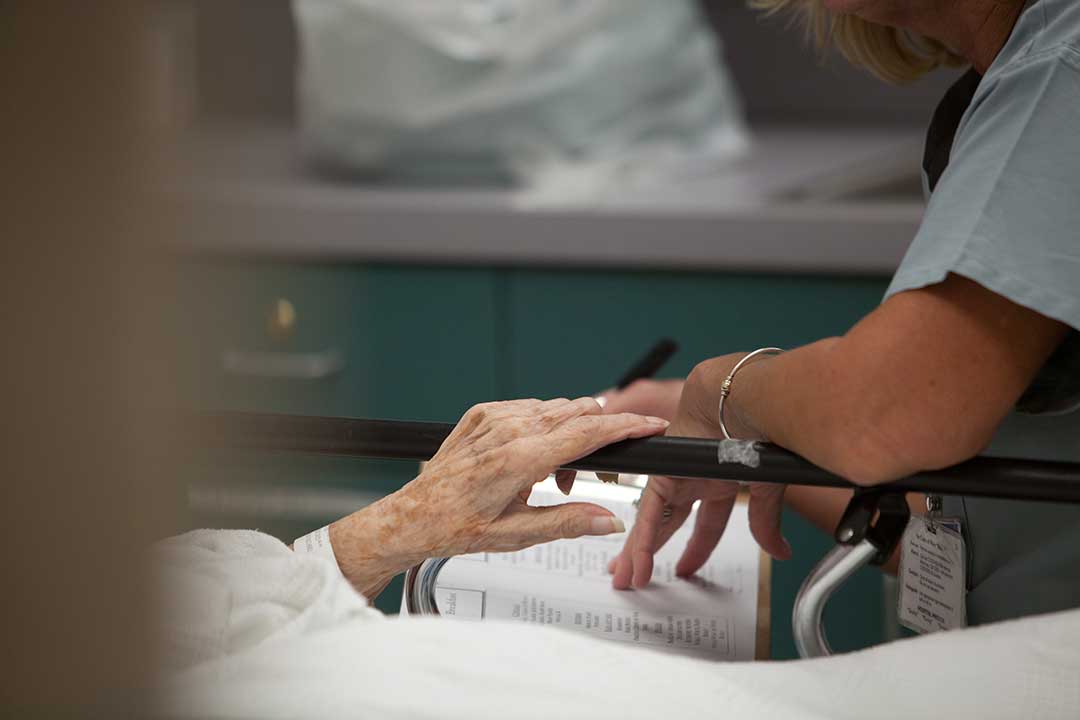
Since snowy winters and rainy springs in the region can make walking outdoors riskier, extra attention to indoor walking paths and shoes with traction is advised. Residents benefit from furniture with rounded edges and clutter-free floors to reduce falls.
What Activities Are Most Engaging for People With Dementia?
Creative, hands-on activities support self-worth and happiness. Activities matched to skills and interests, rather than age alone, work best for local residents. Options include:
- Folding laundry or sorting small objects for those who like tactile tasks
- Simple gardening in raised beds or window boxes
- Listening to familiar music or singing tunes from childhood
- Puzzles with large pieces, coloring, or water painting
Local traditions, from decorating for seasonal events to sharing holiday food, often spark positive memories. Residents with dementia may enjoy tasks that make them feel useful in the community, such as helping set tables or watering plants.
What Are Common Misunderstandings About Assisted Living and Dementia?
Some think that residents with dementia cannot participate in decisions or activities. In reality, many can share preferences and take part in group life if options match their abilities. Another misconception is that dementia means constant confusion or distress; people with dementia have good days and moments of clarity.
Families sometimes expect rapid decline or believe all memory loss is inevitable. Dementia progresses at different rates, and supportive routines, engagement, and reassurance can slow decline and improve quality of life. Thoughtful support honors the person behind the diagnosis.
When Is Specialized Dementia Care Needed?
Residents sometimes need more advanced memory care if wandering, agitation, or medical complications put them at serious risk. Local doctors and assisted living staff can help families understand when to consider higher levels of supervision. Most importantly, continuing love, empathy, and involvement from family and the wider community remains crucial at any stage.
