
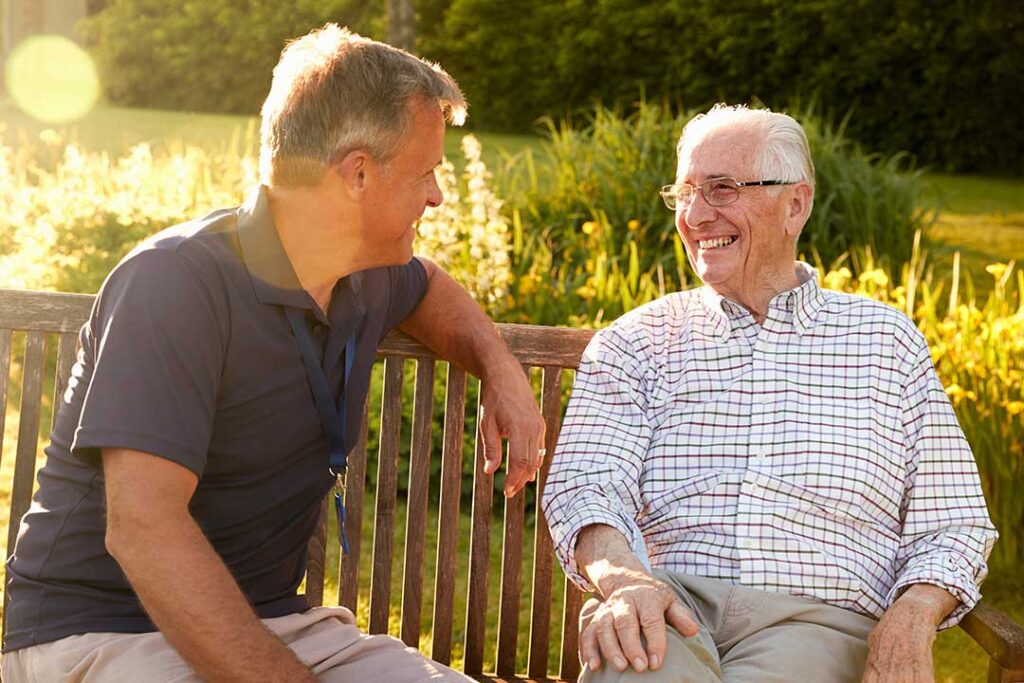
What Are Intergenerational Activities in Assisted Living?
Intergenerational activities involve bringing together older adults and younger generations—often children, teens, or young adults—to share experiences and build relationships. In assisted living settings throughout Coatesville, PA, these activities might include group art projects, storytelling circles, gardening days, or technology help sessions. The primary goal is to foster positive connections, allowing both age groups to learn from and enrich each other’s lives.
Why Do Residents Value These Experiences?
Many residents in assisted living communities say that intergenerational activities help combat loneliness and social isolation. Developing friendships beyond their peer group can make days feel more purposeful and engaging. This sense of connection is especially valuable in the local context, where residents often enjoy close ties to family and the surrounding area.
Participants often share that these occasions spark fond memories, prompt laughter, and bring a sense of joy that is different from routine social gatherings. Local families sometimes volunteer, helping foster a community spirit across age groups within the city.
How Do Intergenerational Activities Promote Mental and Emotional Health?
Spending time with younger people can have clear mental and emotional benefits for residents. Short-term improvements may include feeling uplifted, increased motivation, and a general sense of happiness after each event. Over a longer period, these interactions have been linked to reduced symptoms of depression and anxiety.
In conversations with local households, it’s common to hear about the boost in self-esteem experienced by older adults when they share skills or life lessons with youths. In turn, younger participants gain valuable insight, empathy, and a sense of civic responsibility. Activities as simple as painting together or reading aloud create shared achievements, reinforcing everyone’s sense of belonging.
Are There Cognitive or Physical Benefits?
Yes—engaging with younger generations can prompt new learning and mental stimulation for older adults. Activities like puzzles, music, or technology demonstrations encourage residents to keep their minds active. Educational sessions, such as helping a child with homework or exploring new hobbies, offer fresh challenges that keep cognitive skills sharp.
Some events also have a physical component, such as gardening, crafting, or gentle exercise games. While these aren’t intensive, they do provide an opportunity for light movement and hand-eye coordination, important for maintaining strength and dexterity.
What Is the Role of Culture and Community in These Activities?
In a community like Coatesville, family and local traditions hold significant value. Intergenerational programs often tap into this by pairing residents with local youth to share recipes, tell stories from the area’s past, or create seasonal decorations. These experiences reinforce cultural continuity and foster pride in heritage.
Mutual respect is a cornerstone—bridging generational gaps helps build empathy on both sides and creates a more inclusive environment in the broader city.
How Are These Programs Structured?
Programs can be organized as regular, ongoing partnerships or occasional, themed events. Some common formats include:
- Weekly reading hours where local students visit to read with residents
- Collaborative gardening projects that benefit both age groups
- Seasonal celebrations—such as crafting ornaments or preparing decorations for city events
- Technology help days, where residents receive assistance with smartphones or tablets from tech-savvy teens
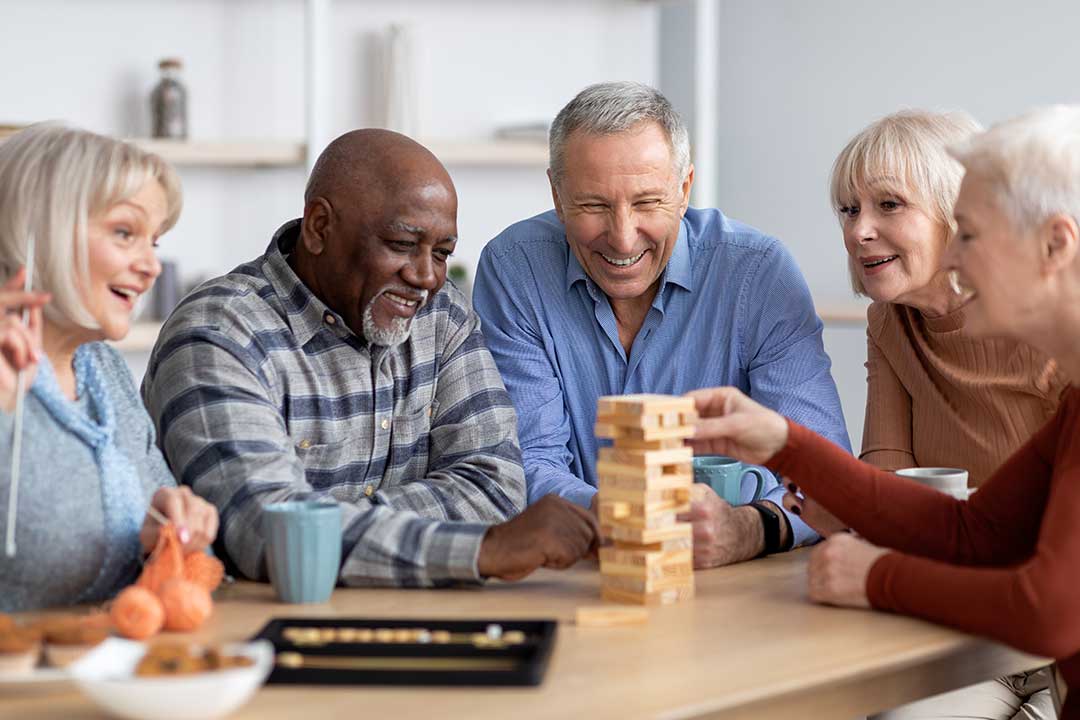
Flexibility is important; successful activities take into account residents’ interests, comfort levels, and energy, as well as seasonal considerations such as local weather or holiday schedules.
Are There Any Misunderstandings About Intergenerational Programs?
A common misconception is that these activities primarily benefit younger people or serve mainly as entertainment. In reality, they are structured to be reciprocal—building skills, self-worth, and meaningful relationships for everyone involved.
Some residents may initially feel hesitant about meeting with younger participants, worried that generational differences might limit conversation. However, many find that staff or volunteers help bridge any awkwardness and that shared activities quickly create common ground.
It’s also important to recognize that participation is always voluntary and adjustments can be made to suit diverse needs or accessibility concerns.
How Can Residents Suggest or Shape These Activities?
Input from residents is often the most valuable resource in developing engaging programs. Residents are encouraged to suggest activity ideas based on their memories, hobbies, or traditions they’d like to pass on to the next generation. Likewise, their feedback after a session helps staff fine-tune future offerings to better fit the group’s interests and the rhythms of community life.
Dialogue among residents, their families, and staff shapes the schedule and ensures that programs remain both enjoyable and meaningful for all.
