
How Does Assisted Living Help Seniors Stay Active?
Assisted living communities often prioritize maintaining and improving residents’ ability to move independently. For older adults in Coatesville, PA, mobility means much more than just walking — it supports daily routines, social engagement, and overall wellbeing. Staff use a blend of environmental design, planned activity, and individual support to encourage everyone to stay as mobile as possible.
What Features of Assisted Living Facilities Encourage Movement?
Most assisted living environments are built to reduce barriers and create safe opportunities to move about.
Some practical features that promote confidence and activity include:
- Level surfaces, wide hallways, and ramps to minimize tripping and accommodate walkers or wheelchairs
- Sturdy handrails throughout the building and outdoor walkways
- Lighting that reduces glare and shadows, especially during winter when days are shorter
- Flooring materials that are forgiving but not slippery, reducing fall risk after icy days
- Clear markings for stairs and elevators
Both private apartments and shared spaces are arranged with access and comfort in mind, making it easier for residents to maintain their independence when moving from room to room.
Are There Daily Practices to Keep Residents Active?
Yes, daily routines and social programming can significantly support strength and coordination. Many assisted living settings offer structured and informal opportunities for movement tailored to different ability levels.
Examples include:
- Morning stretching or low-impact exercise classes adapted for the senior population
- Walking clubs that make use of safe indoor corridors during inclement weather, such as snowy or rainy seasons common in Coatesville
- Invitations to take part in household tasks like planting in the community garden, folding laundry, or dining room setup
Staff also encourage residents to move on their own schedule — such as walking to meals or visiting neighbors — which adds important physical activity into daily life.
Can Assisted Living Prevent Loss of Mobility?
Living in an environment that values and enables mobility often slows age-related decline. While assisted living can’t prevent all mobility changes, staff are trained to recognize when extra support is needed.
Approaches that help preserve movement include:
- Early identification of muscle weakness or changes in balance
- Prompt access to physical or occupational therapy, often through outside agencies that visit residents onsite
- Simple adaptations — like using a walker for stability or adjusting where personal items are kept
- Ongoing conversations about what activities feel difficult, so support can be added before minor struggles lead to falls or injury
This proactive approach gives residents a better chance to stay mobile and avoid complications.
How Does a Social Environment Affect Mobility?
Social opportunities inspire many residents to be more active than they might be at home alone. Being part of a peer group makes walking to bingo, joining communal meals, or going out for scheduled outings more appealing.
Movement is woven into daily life in a way that feels natural, not forced:
- Residents may take short strolls with friends, even if they don’t consider it “exercise.”
- Special events, seasonal celebrations, or group errands provide reasons to get up and move.
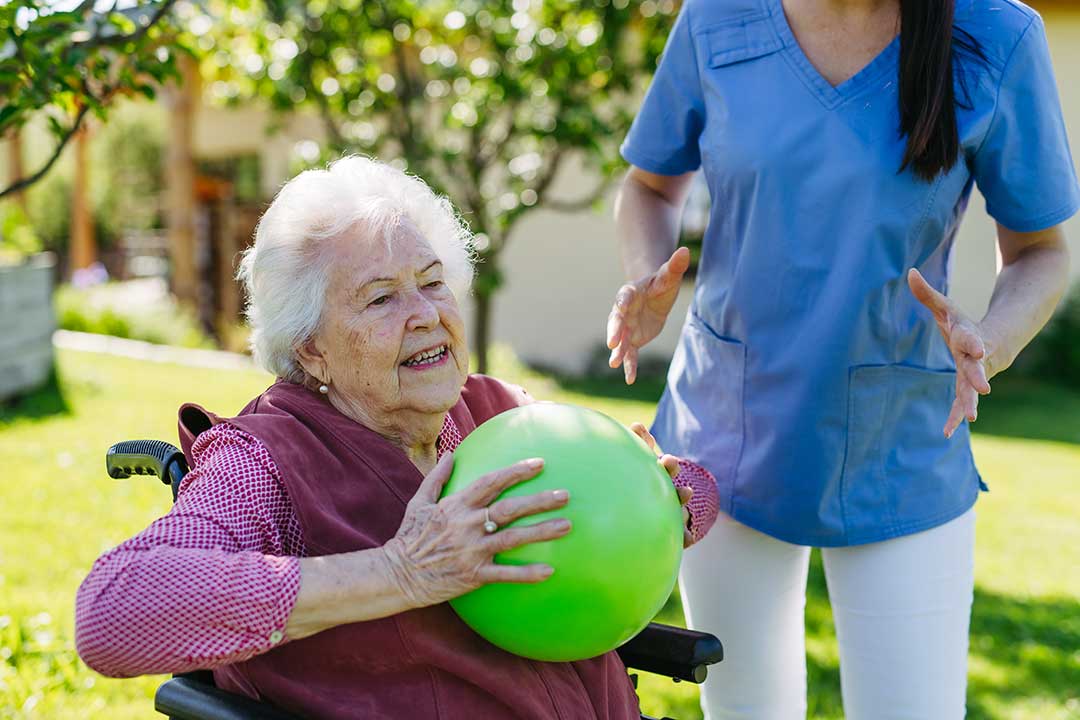
Isolation at home, especially during colder months with hazardous sidewalks and driveways, can lead to significantly less activity. Assisted living settings support mobility not just physically, but emotionally and mentally.
What Myths Exist About Assisted Living and Independence?
A common misconception is that moving to assisted living signals a loss of control. In reality, these communities are structured to uphold independence as much as possible.
Some people believe that once in assisted living, residents are expected to sit and let others do things for them. Instead, daily routines and care planning actually encourage residents to stay active — and staff work with each individual to balance safety with autonomy.
Older adults who have struggled with stairs, icy porches, or home maintenance in their private homes often find that assisted living provides more opportunities to move safely than they had before.
What Role Does Personalized Support Play?
Mobility needs are rarely the same for every resident. In assisted living, each person’s abilities and challenges are factored into their care plan.
Personalized support may involve:
- Regular assessments to track changes in walking, standing, or self-care
- Recommendations for equipment like walkers, canes, or transfer bars, adjusted as needed
- Coordination with local healthcare providers for therapy or pain management
Caregivers are trained to encourage, rather than replace, what residents can do for themselves. This helps people build confidence and maintain abilities longer.
How Do Colder Seasons Affect Senior Mobility in Coatesville?
Winter in Coatesville brings snow, ice, and shorter days — all of which can limit activity for older adults living at home. In residential assisted living, there’s less concern about slippery sidewalks or lack of access to safe walking paths. Well-lit indoor spaces and organized activities mean that movement can remain a part of life year-round, despite seasonal hazards outside.
Households may also appreciate that reliable heating and routine snow removal keep entrances, dining rooms, and recreation areas safe without residents needing to risk a fall or strain.
What Should Residents and Families Ask About When Visiting a Local Assisted Living Facility?
When considering a move, it’s wise to ask about:
- Indoor and outdoor walking spaces, and how they’re maintained in winter
- Daily wellness activities and how participation is encouraged
- How individual mobility needs are assessed and supported over time
Local families often have specific concerns related to climate and neighborhood infrastructure, so understanding how a facility adapts during ice, rain, or summer heat can be especially helpful for decision-making.
